

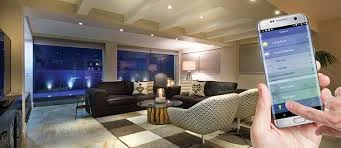
Living Room Automation: Why Versatile and Adaptive Lighting is Essential
Living Room Automation: Why Versatile and Adaptive Lighting is Essential
1.Enhanced Convenience One of the most significant advantages of automated lighting is the convenience it brings to your daily life. With smart lighting systems, you can control your living room lights remotely using a smartphone app, voice commands, or automated schedules. Advantages With a remote control, you can change the lighting in your house even while you're not there. With just a swipe on your smartphone, you can conveniently manage your lights whether you're traveling or just relaxing on the couch. Talking Orders: Connect speech assistants to your lights, such as Siri, Google Assistant, or Amazon Alexa. All you have to do is ask your helper to dim, switch on, or turn off the lights. Automated Timetables: Assign your lights to a time slot that corresponds with your daily routine. You can set them up to turn off at night, gradually brighten in the morning, or fade in the evening. 2. Establishing the Ideal Ambience Your living room's lighting has a big impact on how it feels and looks. Lighting that is controlled via automation Customizable Scenes: Set up pre-made lighting scenarios for a range of occasions, including movie evenings, reading, entertaining, or unwinding. You can set the desired settings for several lights with only one command. Color and Brightness Control: With the variety of colors and brightness settings that smart bulbs provide, you can quickly alter the ambiance in your living area. Select bright colors for a boisterous party or mellow tones for a relaxing evening. Dynamic Lighting Effects: Depending on the smart lighting system, you can have dynamic lighting effects that improve your entertainment experience by syncing with your TV or music. 3. Energy Efficiency and Cost Savings Because automated lighting makes sure that lights are only turned on when necessary and are at the proper brightness, it can help reduce energy consumption and power costs significantly. Advantages: Occupancy Sensors: To cut down on wasteful energy use, use motion sensors to switch lights on automatically when someone enters the living room and off when it's empty. Dimming Capabilities: Prevent excessive usage of full brightness and save energy by adjusting your lights' brightness to the optimum level for each activity. Scheduling and Timers: To save energy, program your lights to turn off during the day or while you're not home.

Ready to Transform Your Home?
Visit our experience center in Nagpur or get in touch for a free consultation.


